

How One Wrong Size Chart Turned 500 Corporate T-Shirts into a Costly Lesson
Imagine this.
An HR manager spends weeks planning the annual company event. The design is approved. Colors match the brand perfectly. The delivery arrives on time.
Everything seems perfect.
Then distribution begins.
Within an hour, employees start exchanging T-shirts because the sizes don’t fit. Some men’s wear feels too tight, women’s wear fits differently than expected, and several employees are left without suitable sizes.
Suddenly, what should have been a celebration becomes a logistical nightmare.
At PromoThread, we’ve seen this happen—not because the garments were poorly made, but because the size distribution was planned incorrectly. After manufacturing thousands of premium-quality corporate T-shirts and polos for companies across industries, we’ve learned that sizing is just as important as fabric, design, and printing.
The good news?
Most size distribution mistakes are completely avoidable.
Why Size Distribution Matters More Than Most Companies Think
Ordering apparel in bulk isn’t simply about selecting Small, Medium, Large, and Extra Large.
Every organization has a unique workforce.
- Technology companies often have younger employees.
- Manufacturing units usually have mixed workforce demographics.
- Hospitality teams require comfortable movement.
- Retail brands may need fashion-forward fits.
- Corporate offices often require smart-fitting polos.
According to the National Institute of Standards and Technology (NIST), body measurements vary significantly across populations, making standardized size assumptions unreliable.
Similarly, apparel industry sizing guidance from ASTM International highlights the importance of standardized body measurement systems when manufacturing garments.
The Biggest Size Distribution Mistakes Companies Make
1. Ordering Equal Quantities of Every Size
This is probably the biggest mistake.
Many HR teams simply divide quantities equally.
Example:
100 Employees
- 25 Small
- 25 Medium
- 25 Large
- 25 XL
In reality, employee size distribution rarely looks like this.
Medium and Large usually account for the majority in many organizations, while XS and XXL quantities may be significantly lower.
: 2. Ignoring Men’s Wear and Women’s Wear Separately
One common misconception is treating everyone as a single sizing group.
Men’s wear and women’s wear are designed using completely different body measurements.
Women’s Medium is not simply a smaller Men’s Medium.
At PromoThread, we manufacture both men’s wear and women’s wear separately from scratch using dedicated patterns and grading, ensuring better comfort and professional appearance.
3. Guessing Employee Sizes
Many HR teams estimate sizes based on appearance.
Unfortunately, this creates unnecessary exchanges and dissatisfied employees.
Instead:
- Use digital size forms.
- Provide measurement charts.
- Allow employees to select their preferred fit.
- Keep a few extra pieces in common sizes.
A Better Approach We Use at PromoThread
Every bulk manufacturing project begins long before the fabric reaches our machines.
It starts with planning.
Because we handle our own manufacturing, we understand exactly how every garment is built—from sourcing premium yarn to final packing.
Instead of simply asking,
“How many T-shirts do you need?”
We ask,
“Who will be wearing them?”
This single question changes everything.
Step 1 — Understand Your Workforce
We recommend collecting:
- Department
- Gender
- Preferred fit
- Existing T-shirt size
- Height (optional)
This creates a far more accurate distribution.
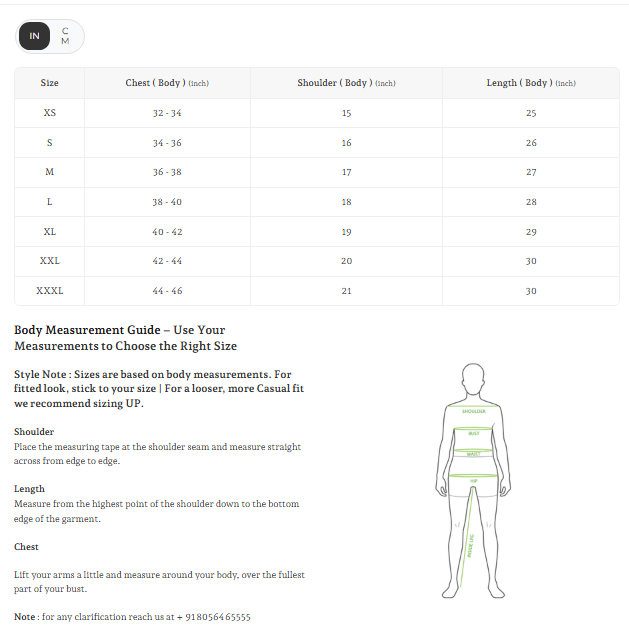
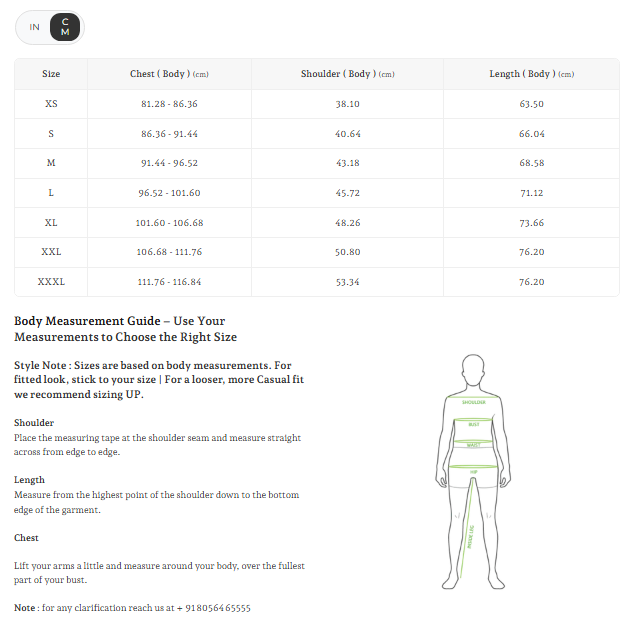
Step 2 — Share Measurement Charts Early
Employees often confuse branded fashion sizing with corporate apparel sizing.
Providing measurement charts before production reduces incorrect selections significantly.
ISO sizing standards help manufacturers develop more consistent garment measurements across markets.
Step 3 — Build Smart Buffer Stock
Instead of ordering random extras, we recommend buffer quantities based on historical demand.
Example:
- Medium → +5%
- Large → +7%
- XL → +5%
Rather than keeping excess stock across every size, strategic buffers reduce waste and improve inventory efficiency.
Why Manufacturing Experience Makes the Difference
Many suppliers simply purchase finished garments from wholesalers.
At PromoThread, we manufacture from scratch.
That means we control:
- Fabric sourcing
- GSM consistency
- Pattern making
- Cutting
- Stitching
- Quality inspection
- Packing
Because every stage happens under one manufacturing process, we maintain consistent sizing across production batches.
Whether you’re ordering:
- Corporate T-shirts
- Polo T-shirts
- Event apparel
- Staff uniforms
- Promotional merchandise
you receive consistent measurements every time.
Premium Quality Doesn’t Have to Mean Premium Prices
One misconception in corporate procurement is that better sizing and better manufacturing automatically increase costs.
Not necessarily.
Because PromoThread controls sourcing and production directly, we eliminate multiple intermediaries.
This allows us to offer:
- Premium quality fabrics
- Better fitting garments
- Reliable manufacturing
- Affordable pricing
- Faster production timelines
without compromising quality.
For HR teams managing budgets, this creates better long-term value than repeatedly replacing incorrectly sized apparel.
A Real Manufacturing Story
One of our corporate clients initially requested:
- 200 Small
- 200 Medium
- 200 Large
Before production, our team suggested conducting a simple employee size survey.
The final distribution became:
- Small – 112
- Medium – 268
- Large – 171
- XL – 49
Had production begun using the original numbers, nearly one-third of the garments would have required exchanges.
Instead, the event distribution was completed smoothly—with minimal leftover inventory and higher employee satisfaction.
Sometimes the biggest manufacturing improvement isn’t a new machine.
It’s simply asking the right questions before production starts.
Final Thoughts
Corporate apparel represents your company long after the event is over.
Employees remember how comfortable the T-shirt felt.
Visitors notice how professional the team looks.
And HR teams remember whether distribution was effortless—or chaotic.
At PromoThread, we believe premium corporate apparel starts with understanding people before producing garments. From sourcing quality materials and manufacturing from scratch to delivering affordable, premium-quality men’s wear, women’s wear, T-shirts, and polos, our goal is to help organizations build trust through every stitch.
Choosing the right manufacturer isn’t just about placing an order—it’s about partnering with a team that understands planning, precision, and people.
Ready to Order Smarter?
Planning your next corporate apparel project?
Let PromoThreadhelp you eliminate size distribution mistakes before production begins. Whether you need premium corporate T-shirts, polos, uniforms, or promotional apparel in bulk, our manufacturing experts will guide you through sizing, sourcing, and production from start to finish.
Get in touch today for a personalized size planning consultation and discover how better planning leads to better apparel—and happier teams.